

 Login
Login


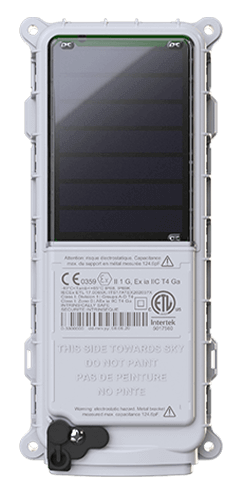 SmartOne Solar
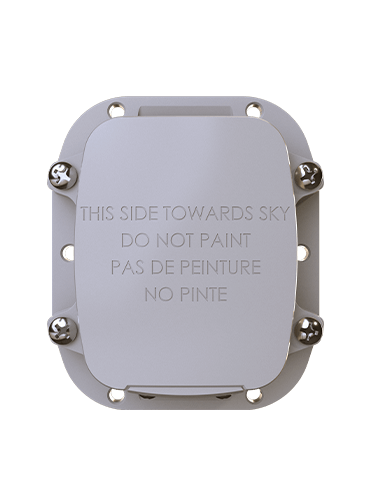 SmartOne C
 STX3
STX3 STX3 Dev Kit
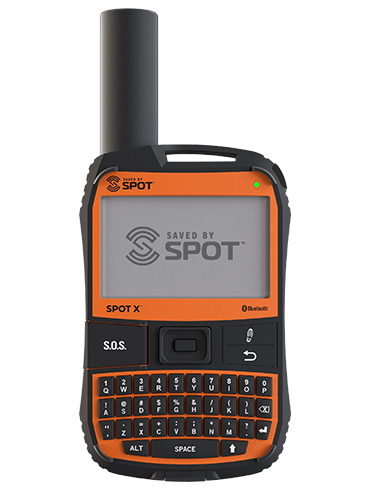 SPOT X
 SPOT Gen4
 SPOT Trace
Why Traditional Monitoring Falls Short in Remote Operations
Remote operations are expanding. Utility crews are dispatched into mountainous terrain. Environmental teams monitor wildlife corridors far from cellular towers. Construction fleets move between rural project sites. Energy assets sit in wide-open territory where infrastructure is sparse and conditions are unpredictable.
Yet many organizations still rely on monitoring systems built for urban coverage and predictable connectivity. That gap is where risk, cost, and blind spots begin. For companies operating beyond the grid, traditional monitoring approaches often fall short.
The Assumption That Connectivity Is Everywhere
Most traditional monitoring systems depend on terrestrial networks. Cellular. Wi-Fi. Fixed infrastructure. In cities and suburbs, that works. In remote oil and gas fields, wildfire zones, forestry operations, border security deployments, and offshore support environments, it does not.
Cellular coverage maps look reassuring until a vehicle drops into a canyon, a worker crosses into a fringe zone, or a storm knocks out infrastructure. Monitoring systems that rely solely on terrestrial connectivity introduce a critical vulnerability: they assume availability. Remote operations cannot afford assumptions.
Delayed Visibility Means Delayed Response
Traditional monitoring platforms are often built around periodic check-ins. A device pings when coverage allows. A report uploads when signal strength stabilizes.
In a warehouse, that delay is manageable. In a remote environment, that delay can be dangerous.
- A worker misses a scheduled check-in
- A vehicle deviates from route
- A team encounters an unexpected hazard
- An emergency occurs outside cellular range
When visibility is delayed, response is delayed. And in remote operations, response time directly affects safety outcomes. True remote monitoring requires persistent, reliable communication, not best-effort updates.
Infrastructure Is Fragile
Remote operations frequently take place in the exact environments that disrupt terrestrial networks:
- Severe weather
- Natural disasters
- Wildfire zones
- Flooding Terrain
- Interference
Even when cellular service exists, it may degrade under load or fail during emergencies when it is needed most. Traditional monitoring assumes stable infrastructure. Remote operations require infrastructure independence.
Power and Complexity Constraints
Many traditional monitoring systems were not designed with remote deployments in mind.
They may require:
- High power draw
- Frequent data transmission
- On-site IT configuration
- Complex integrations
Remote assets often operate on limited power budgets. Field teams cannot support heavy configuration or constant maintenance. Monitoring in remote environments must be lightweight, power-efficient, and simple to deploy.
The Case for Satellite-Enabled Monitoring
This is where solutions like SPOT Gen4 and SPOT Trace have reshaped the model for remote visibility. Satellite-based monitoring through SPOT B2B services operates independently of terrestrial infrastructure. Instead of relying on cellular towers, SPOT devices communicate over the Globalstar satellite network.
That shift changes the equation.
- Coverage across vast remote areas
- Reliable message delivery outside cellular range
- Configurable check-in and tracking intervals
- Dedicated emergency signaling
- Power-efficient device operation
For organizations managing distributed fleets, field teams, remote contractors, or isolated assets, this creates a layer of visibility that traditional systems cannot guarantee.
Monitoring That Matches the Reality of Remote Work
Remote operations are not edge cases anymore. They are core to industries such as:
- Oil and gas
- Utilities and field services
- Construction
- Environmental research
- Public safety
- Government operations
These environments demand monitoring systems that assume disconnection — and solve for it. SPOT B2B solutions are designed specifically for these conditions. They provide near real-time tracking, emergency SOS capabilities, geofencing, and configurable reporting — without relying on local infrastructure.
That is the difference between monitoring that works most of the time and monitoring that works when it matters.
Closing the Visibility Gap
Traditional monitoring systems were built for connected environments, but remote operations exist beyond them.
Organizations that continue to rely solely on terrestrial-based tracking expose themselves to blind spots, delayed response, and avoidable risk. When workforces, vehicles, or assets move beyond the grid, visibility should not disappear with them. SPOT ensures it does not.

