


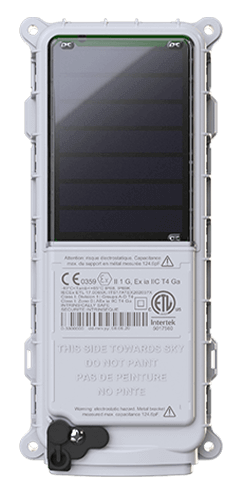
 SmartOne Solar
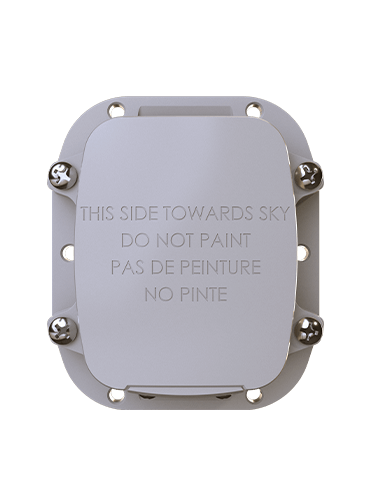 SmartOne C
 STX3
STX3
 SPOT X
 SPOT Gen4
 SPOT Trace
Why Intrinsically Safe IoT Devices are Mission Critical
In oil and gas, safety is an operating condition.
From upstream exploration to downstream processing, environments are defined by the presence of flammable gases, volatile chemicals, and high-pressure systems. In these conditions, even a small spark can have catastrophic consequences. That is why intrinsically safe (IS) design is not optional. It is foundational.As the industry continues to digitize operations with IoT, the need for intrinsically safe devices has only become more critical. Connectivity cannot come at the expense of safety.
The Reality of Hazardous Environments
Oil and gas operations routinely take place in classified hazardous locations where explosive atmospheres may be present.
According to the Occupational Safety and Health Administration (OSHA), hazardous locations are defined as areas “where fire or explosion hazards may exist due to flammable gases, vapors, liquids, combustible dust, or ignitable fibers.” These environments are common across drilling sites, refineries, pipelines and storage facilities.
Globally, the risk is significant. The International Association of Oil & Gas Producers (IOGP) reports that process safety events, including fires and explosions, remain one of the most severe risks in oil and gas operations, often resulting in high-impact consequences despite relatively low frequency.
This is the baseline reality: the environment itself is the risk.
What “Intrinsically Safe” Actually Means
Intrinsically safe devices are engineered so they cannot release enough electrical or thermal energy to ignite a hazardous atmosphere, even under fault conditions.
Standards bodies like the International Electrotechnical Commission (IEC) and certifications such as IECEx define strict requirements for equipment used in explosive environments. These include limitations on voltage, current, and stored energy.
In practical terms, intrinsically safe IoT devices are designed to:
- Prevent sparks or overheating
- Operate safely even if damaged or malfunctioning
- Be deployed directly in hazardous zones without requiring heavy protective enclosures
This is what allows technology to exist inside the hazard, not just around it.
Why IoT Changes the Stakes
IoT is transforming oil and gas operations. Sensors, trackers and connected devices are now used to monitor:
- Equipment performance
- Asset location
- Environmental conditions
- Worker safety
The global oil and gas IoT market is projected to grow significantly, driven by the need for efficiency, automation and real-time visibility. According to MarketsandMarkets, the oil and gas IoT market is expected to reach over $43 billion by 2029, reflecting rapid adoption across upstream, midstream and downstream operations.
But this growth introduces a tension: More devices mean more potential ignition sources, unless they are designed correctly.
Why Intrinsically Safe IoT Devices Are Mission Critical
1. Safety Cannot Be Segmented
In hazardous environments, you cannot separate “connected” systems from “safe” systems. Every device introduced into the field must meet the same safety standards.
Using non-intrinsically safe devices in these environments typically requires bulky explosion-proof housings or physical separation, which limits deployment flexibility and increases cost.
Intrinsically safe-certified IoT devices eliminate that trade-off.
2. Real-Time Data Must Exist at the Source
The value of IoT in oil and gas comes from real-time data.
- Equipment health monitoring
- Leak detection
- Pressure and temperature tracking
- Worker location and status
If devices cannot safely operate in hazardous zones, that data becomes delayed, incomplete or unavailable.
3. Worker Safety Depends on It
Lone workers and field personnel often operate in high-risk, remote environments. Intrinsically safe communication and tracking devices enable:
- Real-time location visibility
- Emergency alerting (SOS)
- Reliable communication beyond coverage
According to the National Institute for Occupational Safety and Health (NIOSH), delayed emergency response is a key risk factor in fatal incidents involving isolated workers.
In these environments, safe connectivity directly supports faster response and better outcomes.
4. Compliance and Liability
Regulatory compliance is not optional in oil and gas. Equipment used in hazardous areas must meet strict certification standards (IECEx, ATEX, UL, etc.).
Deploying non-compliant devices introduces:
- Regulatory risk
- Operational shutdown potential
- Legal liability
Intrinsically safe IoT devices ensure that digital transformation efforts align with safety and compliance requirements.
5. Scalability Without Compromise
As IoT deployments scale, the challenge is not just connecting more assets — it is doing so safely and consistently.
Intrinsically safe-certified devices allow organizations to:
- Standardize deployments across sites
- Reduce engineering complexity
- Avoid redesigning infrastructure for safety compliance
This is what enables IoT to move from pilot projects to full-scale operational systems.
The Bottom Line
Oil and gas operations are inherently hazardous. That reality does not change with digital transformation.
What changes is the expectation:
- More visibility
- More data
- More automation
- Faster decision-making
But none of that can come at the expense of safety.
Intrinsically safe IoT devices are not a niche requirement. They are the enabler that allows IoT to exist inside hazardous environments without introducing new risk.
Without them, connectivity stops at the edge of the hazard. With them, it becomes part of the operation.
Talk to our experts to learn more about how to integrate connectivity and safety into your solutions.

