


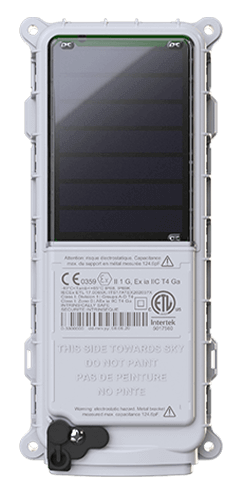
 SmartOne Solar
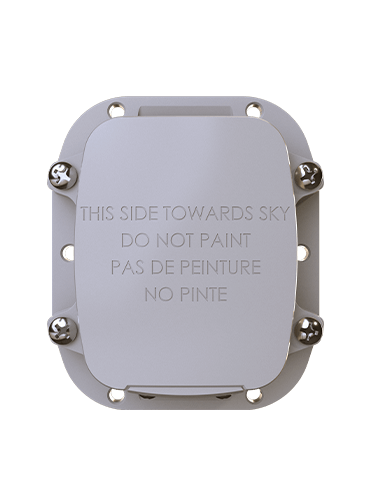 SmartOne C
 STX3
STX3
 SPOT X
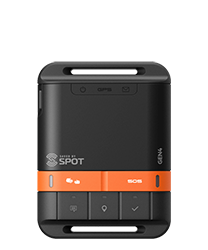 SPOT Gen4
 SPOT Trace
Agriculture: The Connectivity Gap Holding Back Precision Farming
Precision agriculture promises higher yields, lower input costs, and better resource stewardship. From equipment tracking and livestock monitoring to soil sensors and remote asset visibility, data has become central to how modern farms operate. Yet for many agricultural operations, the most significant barrier to realizing these benefits is not technology availability. It is connectivity.
Farms operate across vast, dispersed geographies. Fields extend beyond towns and highways. Equipment moves between properties. Livestock ranges across terrain where terrestrial networks were never designed to reach. While cellular connectivity plays an essential role near populated areas, it remains inconsistent across large portions of agricultural land. These gaps quietly limit the effectiveness of precision farming tools.
Why Connectivity Matters in Modern Agriculture
Agriculture is also undergoing a generational shift. Today’s farmers are increasingly adopting digital tools that allow them to manage large operations more efficiently without relying solely on manual inspections. Tasks that once required hours of physical checks across large properties can now be monitored remotely through connected sensors and IoT platforms.
The Shift Toward Data-Driven Farming
For example, checking the integrity of fencing, monitoring water tanks, or verifying livestock conditions once meant driving across miles of farmland to visually inspect equipment and infrastructure. Today, many of those checks can be performed from the breakfast table through connected monitoring systems that provide real-time updates from the field.
This shift matters because manual checks only confirm that conditions were normal at the moment of inspection. Once a farmer leaves the site, conditions can change rapidly. A water tank failure, broken fence, or irrigation malfunction can occur minutes later, potentially leading to livestock loss or crop damage before the next scheduled check.
Precision agriculture depends on proactive, event-driven data, not just periodic observation. IoT sensors that continuously monitor conditions and trigger alerts when something changes allow farmers to respond quickly, reduce risk, and manage operations more efficiently across large and remote properties.
When connectivity drops, those insights disappear. Equipment may go untracked for days. Livestock movements become harder to monitor. Alerts arrive late or not at all. The result is a return to manual checks, delayed decisions, and reactive management. Over time, these blind spots erode the value of connected tools that were intended to make operations more efficient.
The Reality of Coverage Gaps in Agricultural Environments
Unlike urban or industrial settings, agriculture does not benefit from dense network infrastructure. Cellular networks are optimized for population centers, not fields, rangeland, or remote storage sites. Even within a single farm, coverage quality can vary significantly based on terrain, vegetation, and distance from towers.
These gaps create a fragmented data picture. Some assets report consistently, while others disappear once they move beyond coverage. For large or multi-site operations, this inconsistency makes it difficult to standardize monitoring practices or rely on data as a single source of truth.
Extending Visibility Beyond the Field Edge
Satellite IoT connectivity addresses this challenge by operating independently of terrestrial networks. Instead of relying on proximity to towers, satellite-connected devices communicate directly with orbiting infrastructure, enabling consistent data transmission across remote and rural environments.
For agriculture, this means assets remain visible regardless of where they operate. Tractors, trailers, irrigation equipment, and livestock monitoring devices can continue reporting location and status even in areas without cellular service. This continuity transforms disconnected zones into managed parts of the operation.
Supporting Long-Term, Low-Touch Monitoring
Agricultural assets are often deployed for long periods with minimal intervention. Devices must operate reliably through seasonal cycles, weather extremes, and remote conditions. Battery-optimized satellite IoT devices are designed for these realities, enabling multi-year deployments without frequent maintenance visits.
This reduces operational overhead while ensuring data remains available when it matters most. Rather than choosing which assets are “worth” monitoring based on coverage, farms can deploy tracking and sensing more broadly and consistently.
Unlocking the Full Value of Precision Agriculture
Precision agriculture depends on trust in data. When connectivity is unreliable, confidence erodes, and tools go underutilized. By extending connectivity across the full operational footprint, satellite IoT helps restore that trust.
With consistent visibility, farmers can make informed decisions about asset utilization, loss prevention, and operational planning. Over time, this enables agriculture to move from partial automation and monitoring to truly data-driven operations that scale with the size and complexity of modern farms.
Connectivity should not be the limiting factor holding back precision agriculture. By closing coverage gaps, satellite IoT creates the foundation for smarter, more resilient farming wherever operations take place.
Learn more about the convergence of satellite and agriculture in this infographic.

