

 Login
Login


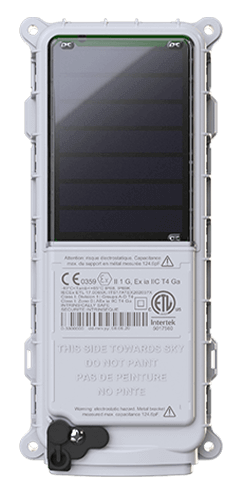 SmartOne Solar
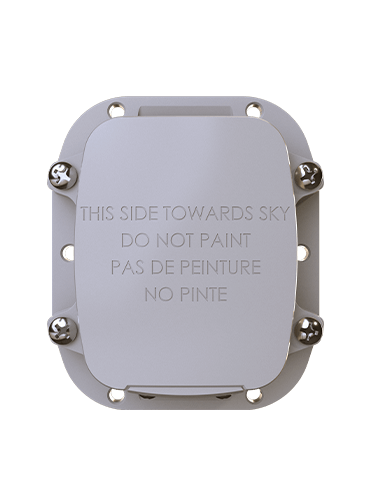 SmartOne C
 STX3
STX3
 SPOT X
 SPOT Gen4
 SPOT Trace


What Intrinsically Safe Really Means for IoT
“Intrinsically safe” is a term that appears frequently in industrial IoT conversations, but it is often treated as a checkbox rather than a design philosophy. For organizations operating in hazardous environments, that distinction matters.
At its core, intrinsic safety is not simply about making a device rugged or reliable. It is about ensuring that the device itself cannot become a source of ignition under defined fault conditions. That requirement fundamentally changes how devices are designed, certified, and deployed.
As IoT adoption expands into industries where volatile gases, combustible dust, or flammable liquids are present, the importance of intrinsically safe devices becomes more pronounced. These are not edge cases. They are everyday operating conditions in sectors like oil and gas, chemical processing, mining, and certain areas of agriculture and manufacturing.
In these environments, connectivity cannot come at the expense of safety. It must be engineered around it.
Why Standard Devices Fall Short in Hazardous Environments
The growth of IoT has made it easier than ever to deploy connected devices across a wide range of applications. However, many of these devices are designed with general-purpose environments in mind.
In hazardous locations, even a small spark or a buildup of heat can create a serious risk. Standard electronic devices, including those used for tracking, monitoring, or communication, are not typically designed to limit energy output to safe levels under both normal and fault conditions.
This creates a gap between where IoT is most valuable and where it can be safely deployed.
Intrinsically safe devices address this gap by controlling electrical and thermal energy at the circuit level. They are designed so that, even in the event of a failure, they do not generate enough energy to ignite a hazardous atmosphere. This is achieved through a combination of design constraints, protective components, and rigorous certification processes.
The result is a class of devices that can be used in environments where standard electronics cannot be used.
Where Intrinsic Safety Becomes Essential
The value of intrinsically safe IoT devices is most apparent in environments where safety risks are both constant and non-negotiable.
In oil and gas operations, for example, equipment is often deployed in areas where flammable gases are present as part of normal operations. Monitoring assets, tracking equipment, or enabling communication in these zones requires devices that meet strict safety standards. Without intrinsic safety, organizations are forced to limit where devices can be used, creating blind spots in otherwise connected systems.
In chemical processing facilities, the presence of volatile substances introduces similar challenges. Sensors and tracking devices are needed to maintain visibility into operations, but they must be designed to operate safely within controlled hazard zones.
Mining environments present another layer of complexity, where combustible dust and confined spaces increase the potential impact of ignition. In these settings, intrinsically safe devices allow organizations to extend visibility and communication into areas that would otherwise remain disconnected.
Even in agriculture, particularly in large-scale grain handling or processing operations, dust can create hazardous conditions. As IoT adoption grows in these environments, the need for safety-certified devices becomes more relevant.
Across these use cases, the common thread is clear. The environments where connectivity is most valuable are often the same environments where safety requirements are the most stringent.
The Role of Certification and Compliance
Intrinsic safety is not a claim that can be made lightly. It is defined and enforced through established standards and certification bodies, such as ATEX in Europe and IECEx globally.
These certifications validate that a device has been tested and approved for use in specific hazardous environments, often categorized by zone or division depending on the likelihood and duration of explosive atmospheres.
For organizations, this is not just a technical requirement. It is a compliance necessity.
Regulatory frameworks in many industries require the use of certified equipment in hazardous areas. Deploying non-compliant devices can lead to operational shutdowns, fines, or increased liability in the event of an incident.
Certified intrinsically safe IoT devices provide a way to meet these requirements while still enabling modern, connected operations. They allow organizations to expand visibility and control without introducing additional risk.
While intrinsic safety is often discussed as a design requirement, it also carries clear regulatory implications. In hazardous environments, the use of certified equipment is not optional. Standards such as ATEX in Europe and IECEx globally define where and how devices can be deployed, and regulators enforce those requirements through established safety frameworks.
In the United States, enforcement typically falls under agencies like the Occupational Safety and Health Administration, where violations related to unsafe equipment in hazardous locations can result in significant penalties. As of recent guidelines, serious violations can exceed $15,000 per incident, while willful or repeated violations can surpass $150,000, particularly when organizations are found to have knowingly operated outside of safety requirements.
Beyond regulatory fines, the financial exposure often extends further. If non-compliant equipment contributes to an incident, organizations may face civil liability, operational shutdowns, and increased scrutiny across future inspections. In many cases, the cost of a single violation or incident can outweigh the investment required to deploy properly certified devices across an entire operation.
Designing for Safety Without Sacrificing Function
One of the challenges historically associated with intrinsically safe devices has been the perception that safety comes at the expense of performance or usability.
While it is true that intrinsic safety imposes design constraints, advances in IoT technology have made it possible to deliver meaningful functionality within those constraints. Devices can now support reliable data transmission, long battery life, and integration with broader IoT platforms while still meeting safety requirements.
This is particularly important as organizations look to scale IoT deployments. A device that is safe but difficult to integrate or maintain introduces its own set of challenges. The goal is not simply to meet certification standards, but to do so in a way that aligns with real operational needs.
That includes considerations like ease of deployment, interoperability with existing systems, and the ability to support both satellite and cellular connectivity where appropriate.
Extending Connectivity into Previously Unreachable Environments
Intrinsic safety plays a critical role in enabling IoT deployments in locations that were previously off-limits to connected devices.
By removing the risk of ignition, these devices allow organizations to bring visibility into areas that were historically monitored through manual processes or not monitored at all. This shift has practical implications for both safety and efficiency.
For example, asset tracking in hazardous zones can reduce the time spent locating equipment and improve utilization. Environmental monitoring can provide earlier warning of potential issues, allowing for a more proactive response.
Communication tools can ensure that workers remain connected even in remote or high-risk areas.
When combined with satellite connectivity, intrinsically safe devices can extend these capabilities even further, supporting operations that take place beyond the reach of terrestrial networks.
Intrinsic Safety as Part of a Broader IoT Strategy
As IoT continues to evolve, intrinsic safety is becoming less of a specialized requirement and more of a foundational consideration in certain industries.
Organizations are increasingly building connectivity strategies that account for a range of operating conditions, from controlled indoor environments to remote and hazardous locations. Intrinsically safe devices play a key role in this approach by ensuring that connectivity can be extended consistently across all parts of an operation.
Rather than creating isolated pockets of visibility, they support a more unified view of assets, environments, and workflows. This continuity is essential for organizations that rely on accurate, real-time information to make decisions.
Globalstar Intrinsically Safe Devices for Regulatory Support
Intrinsic safety is often discussed in technical terms, but its impact is fundamentally operational.
It determines where devices can be deployed, how data can be collected, and whether connectivity can be trusted in environments where the margin for error is minimal.
As IoT adoption continues to expand into more complex and demanding settings, intrinsically safe devices are becoming an essential part of the conversation. Not because they add another layer of capability, but because they make it possible to safely extend the capabilities organizations already rely on.
In that sense, intrinsic safety is not just about protecting against risk. It is about enabling connectivity where it would otherwise not be possible.
Reach out to our team to learn more.

